
 Facebook
 X
X
 Pinterest
 Copy Link
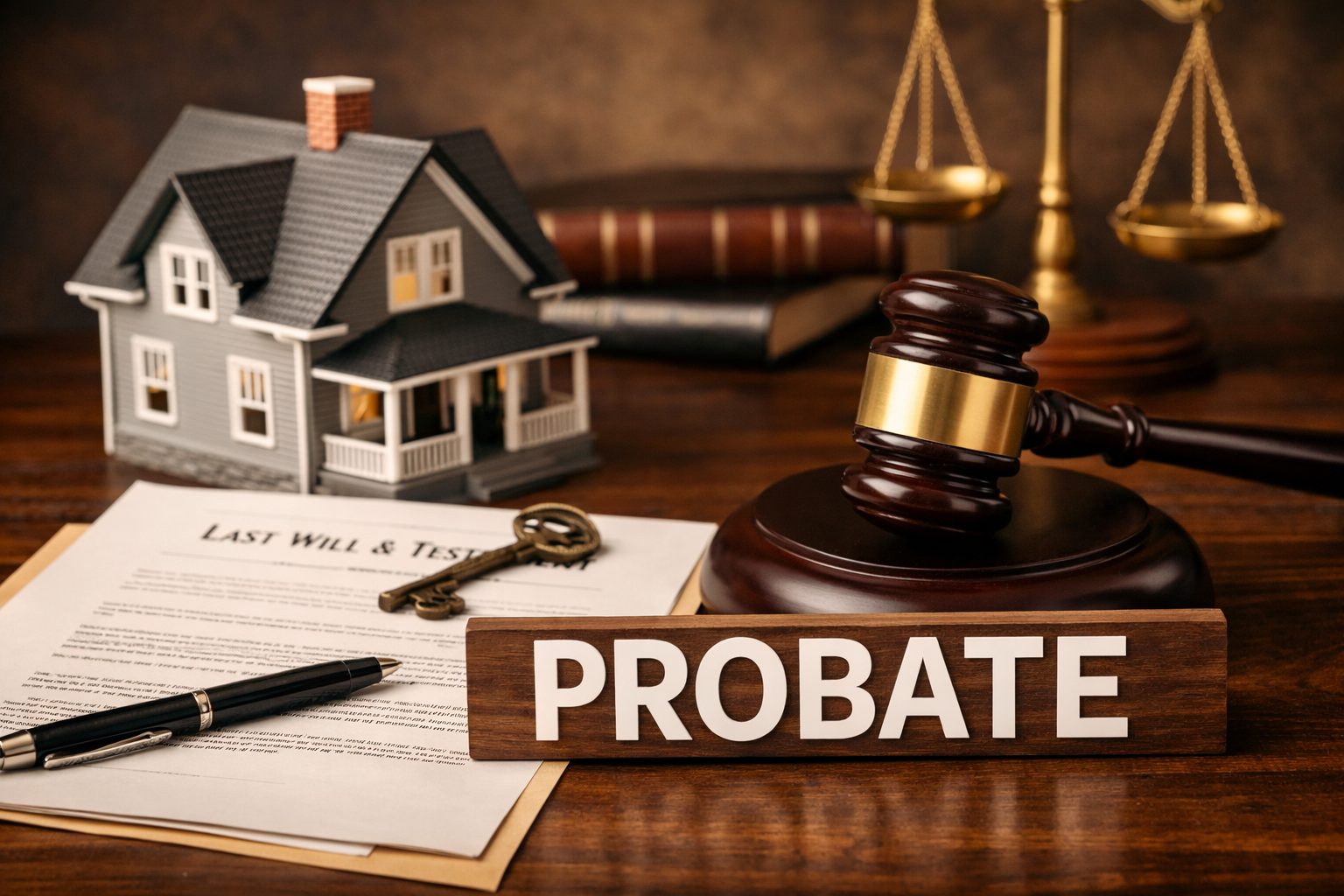
Greater Cincinnati, Ohio • Inherited Property • Step-by-Step Selling Guide
Inheriting a home often comes during a time of a loved one’s transition. After they pass, families are suddenly faced with a house full of memories, unanswered questions, and a growing list of decisions. Some heirs feel ready to sell right away, while others need time to pause and process. It’s common to hear questions like, “Can we list it now?” or “What needs to happen first?”
Selling an inherited home doesn’t have to be complicated. With thoughtful guidance, the process can feel clear and manageable. While paperwork, timing, and coordination are part of the journey, they can be handled with care and intention. My role is to support families with kindness and compassion, helping each step unfold at a pace that feels right while ensuring important details are addressed.
This guide walks through the process in clear, practical terms. It explains what typically needs to happen first, when to involve legal and tax professionals, and how to prepare the home for the market when the timing is right.
The Three Things That Keep Inherited Sales on Track
- Paperwork first — start with certified death certificates and the right estate documents.
- Authority matters — confirm who can sign before you plan a listing date.
- Strategy wins — price, prep, and marketing need to match the home and the market.
Quick reminder: this is general information, not legal or tax advice. For legal and tax questions, you’ll want an Ohio probate attorney and a CPA.
Step 1: Get Certified Copies of the Death Certificate
Start here. Most families need certified copies before they can open an estate, work with a title company, or handle bank and account issues. If you only order one copy, you may end up waiting on paperwork later.
In many cases, the funeral director helps with this step, or you can request copies through the county vital records office.
Action step: Order several certified copies. Ask an Ohio estate attorney how many you should request for your situation.
Step 2: Find Out If You Need to Open an Estate
Next, confirm how the home is titled. Some homes transfer outside probate, such as through a trust, survivorship, or a transfer-on-death designation. Other situations require a probate filing through the county court.
This step controls your timeline. Once you know the path, you can plan the sale with fewer surprises.
Action step: Speak with an Ohio probate or estate attorney to confirm whether probate applies and what type of estate filing fits the circumstances.
Step 3: If There’s a Will, File It With the Probate Court
When a will exists, the family typically files it with the probate court in the county where the decedent lived. The court may then appoint the executor named in the will.
Once the court appoints the executor, the executor can act on behalf of the estate. That appointment often becomes the green light to move the listing timeline forward.
Action step: Ask an estate attorney to guide the filing and confirm when the executor has legal authority to sign.
Step 4: If There’s No Will, Expect an Intestate Process
If no will exists, Ohio law sets the rules for who inherits. The court also appoints an administrator to handle the estate. That person plays a role similar to an executor.
Families often feel stuck at this stage because everyone wants answers quickly. The fastest way forward is to confirm the legal path early so the next steps stay orderly.
Action step: Meet with an Ohio estate attorney to confirm how intestate rules apply to your family and the property.
Step 5: Confirm Who Can Sign Before You List
Before you schedule photos, showings, or a launch date, confirm who can sign for the estate. Title companies and buyers will look for the right authority at closing. If the signing authority is unclear, the sale can slow down.
Action step: Coordinate with the estate attorney and the title company early so everyone knows when the home is ready to go on the market.
Step 6: Have a CPA Review the Tax Side Before You Decide
Taxes can affect your net proceeds, especially if you plan to hold the home or make improvements before selling. A CPA can review the situation and explain what to watch for, based on the estate structure and timing.
Action step: Schedule a CPA review before you pick a sale date. That way, you avoid guessing and protect your bottom line.
Step 7: Get All Heirs on the Same Page
Most inherited home sales do not fall apart because of the market. They stall because the heirs do not agree on timing, price, or repairs. Clear decisions up front keep the sale calm and predictable.
Action step: Hold a short planning meeting and confirm who decides what. If needed, ask the estate attorney to help define roles.
Step 8: Decide “As-Is” vs. Light Prep vs. Improvements
Many inherited homes sell as-is, and that can work well. In other cases, light prep brings stronger offers. The right choice depends on the home’s condition, buyer demand, and your timeline.
This is where a clear market analysis helps. You can compare “sell now” versus “prep first” with real numbers instead of opinions.
Action step: Request a market evaluation and consider a pre-listing inspection if it fits your goals.
Step 9: Build a Sale Strategy That Matches the Estate’s Priorities
Some families want speed. Others want top dollar. Many want both. A good plan balances pricing, prep, and marketing so the home attracts the right buyers without wasting time.
Action step: Review pricing and timing alongside the estate plan with guidance from your attorney and CPA.
Step 10: Coordinate the Team So the Sale Stays Smooth
Inherited home sales run best when the professionals stay aligned. You may need an estate attorney for probate steps, a CPA for tax planning, and a title professional for closing requirements. As your real estate advisor, I coordinate the timeline, prepare the property for market, and guide pricing and negotiation.
Action step: Choose a point person and keep communication simple. When the team stays aligned, you avoid last-minute surprises.
Local Insight: County Probate Timelines Can Affect Your Listing Date
Probate runs through county courts, which means timelines and filing details can vary. I regularly help families navigate home sales in Butler County, Warren County, and Hamilton County, working closely with local title companies and trusted estate professionals. This local coordination helps keep the process organized and allows your sale plan to align with county requirements—so the transition feels supported rather than stressful.
Practical tip: Start planning early—even if you do not want to list right away. A clear plan reduces stress later.
Frequently Asked Questions
What is the first step to selling an inherited home in Ohio?
Start by ordering several certified copies of the death certificate, since most families need these before they can open an estate, work with a title company, or handle bank and account issues. From there, confirm how the home is titled to find out whether an estate needs to be opened.
Do I need to go through probate to sell an inherited home?
It depends on how the home is titled. Some homes transfer outside probate, such as through a trust, survivorship, or a transfer-on-death designation. Others require a probate filing through the county court, which affects the timeline for selling.
Do all heirs have to agree before selling an inherited home?
Most inherited home sales stall not because of the market, but because heirs do not agree on timing, price, or repairs. Getting everyone on the same page early, including who decides what, keeps the sale calm and predictable.
Ready to Discuss Next Steps for Selling an Inherited Home?
Schedule a free, no-obligation appointment so we can discuss next steps for going on the market. At every appointment, you’ll receive a copy of my Seller Guide, my vendor list, and a market analysis.
Schedule Online
Request a no-obligation consultation and we’ll confirm next steps.
Included With Every Appointment
- Free Seller Guide
- A Copy of our Office Vendor List
- Free Market Analysis of your Property
